

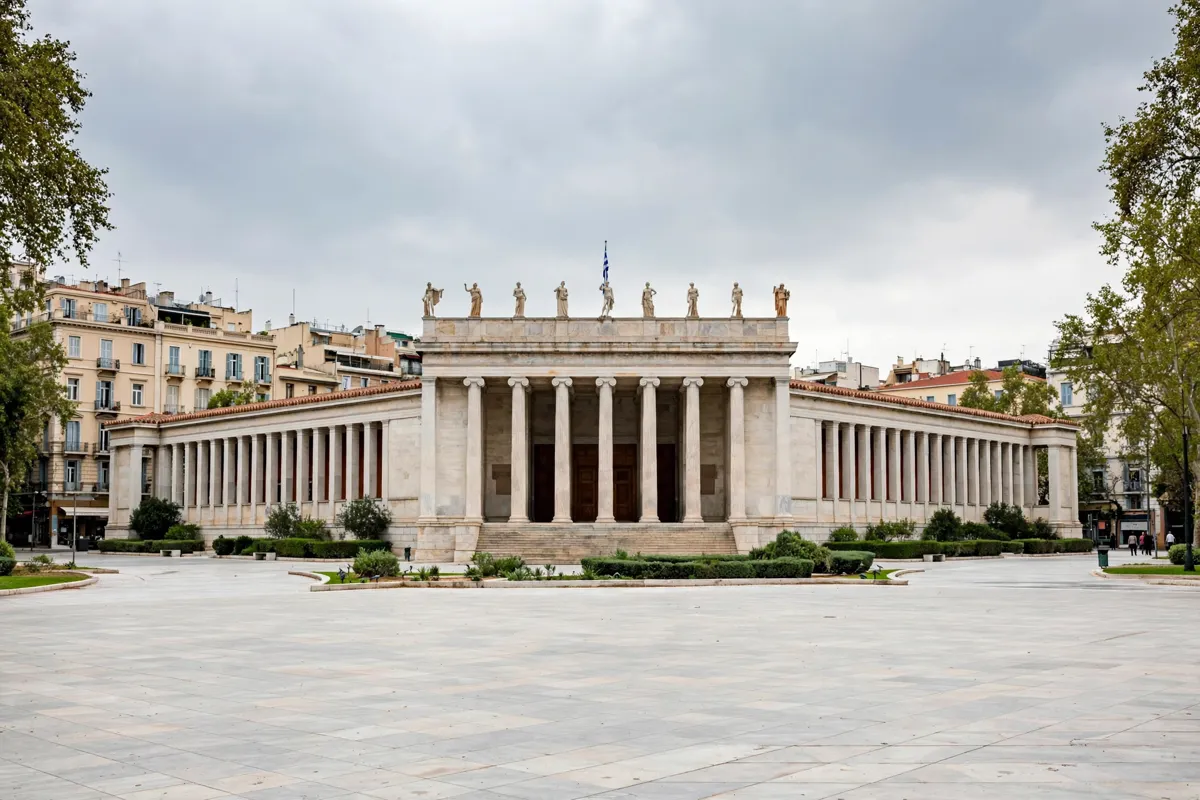
The Epigraphical Museum in Athens is Greece’s only museum of its type, with a collection of ancient Greek inscriptions described as the world’s most extensive. At 1 Tositsa Street, it offers a focused way to explore the texts that record political, cultural and everyday life across the ancient world.
- Location: 1 Tositsa Street, Athens 10682
- Regular hours: 08:30–15:30 daily except Tuesday
- Admission: €10 full price; €5 reduced
What the Epigraphical Museum collects
The Epigraphical Museum preserves inscriptions that serve as direct historical sources for ancient Greek political, cultural, economic, religious and social life. Most come from Athens and Attica, while others originate elsewhere in Greece and in Asia Minor.
The collection spans texts in Greek dialects, Latin, Phoenician, Hebrew and Ottoman. Its objects date from the 8th century BC through Early Christian and Byzantine periods and later times, making the museum’s scope broader than its name might first suggest.
The museum was founded in 1895, according to the Greek Ministry of Culture. Its collections give written evidence a central place alongside the objects displayed in Athens’s larger archaeological museums.
How to make sense of the inscriptions
Read the inscriptions as evidence of how communities recorded public and private life, rather than as isolated carved texts. Their range of subjects reflects political decisions, economic activity, religious practice and social relationships.
Geography and language help set each inscription in context. Many come from Athens and Attica, but the collection also includes material from Asia Minor and different parts of Greece. Greek dialects sit alongside Latin, Phoenician, Hebrew and Ottoman texts, offering several linguistic windows on the past.
The museum provides tactile materials, multimedia and educational programs, offering additional ways to engage with the collection.
How do you get to the Epigraphical Museum from Exarchion Hotel?

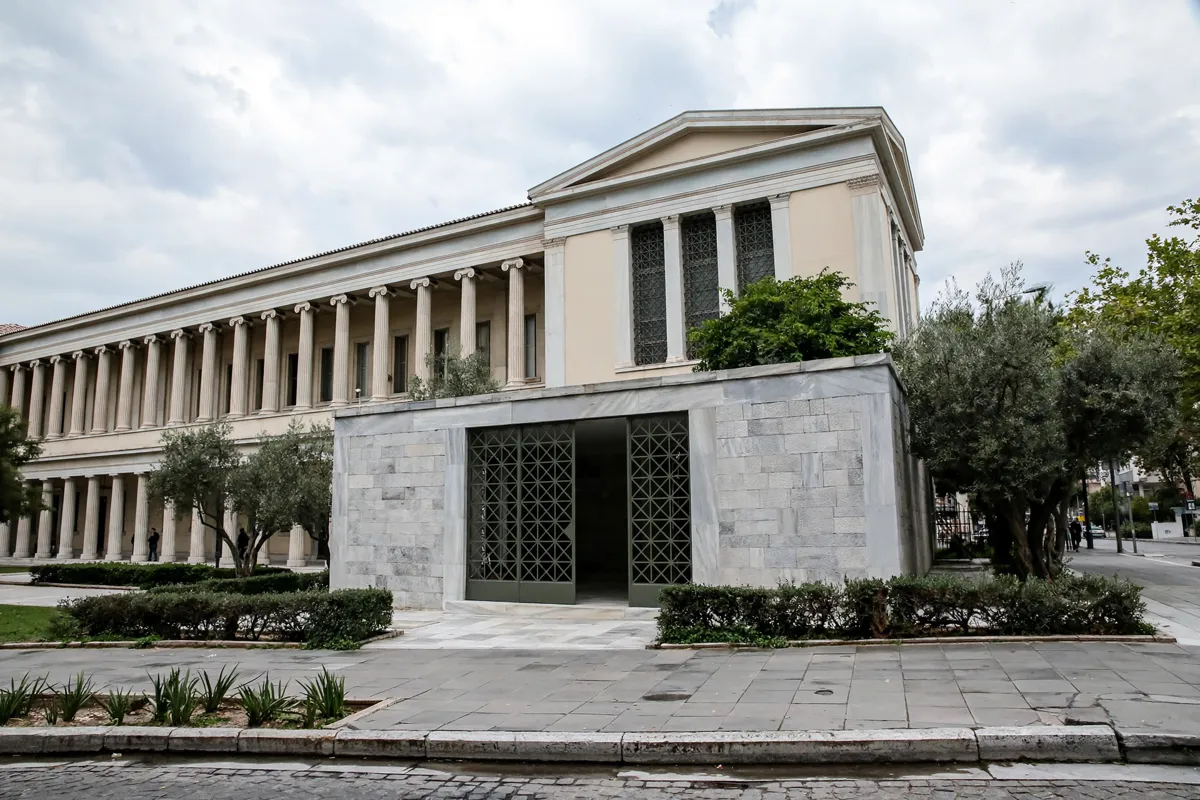
The museum is about a 5-minute walk from Exarchion Hotel, which offers rooms at this two-star hotel. It is at 1 Tositsa Street and occupies the south wing of the National Archaeological Museum, with a separate entrance.
For metro travel, Victoria is an 8-minute walk from the museum, while Omonia is a 12-minute walk. Victoria and Omonia are served by Line 1; Omonia is also on Line 2. Bus and trolleybus services stop at Polytechneio, including lines 2, 3, 4, 5, 11, 14, 15, 022, 035, 054, 224, 608, A7, B5, B12 and G12.
Opening hours, tickets and access
Last admission is 20 minutes before closing. Full admission is €10 and reduced admission is €5. The Ministry of Culture gives free admission on March 6, April 18, May 18, October 28, the last weekend of September, and the first Sunday of each month from November 1 through March 31.
Opening hours
- Monday and Wednesday to Sunday: 8:30–15:30
- Tuesday: closed
Last checked November 2026. Hours can change on holidays and for special events.
The Ministry of Culture also gives January 1, March 25, Orthodox Easter Sunday, May 1, and December 25 and 26 as closure dates; hours vary on Good Friday and Holy Saturday. Hours, admission and access details can change, so check the official site before you go. For questions, contact the museum at +30 210 823 2950 or ema@culture.gr.
Access provisions include an elevator, ramp, accessible toilets and tactile materials. Hellenic Heritage identifies the museum as an accessible venue.
Combining it with the National Archaeological Museum
The Epigraphical Museum shares a building with the National Archaeological Museum, so you can plan the two collections together while keeping in mind that the Epigraphical Museum has its own entrance. For its collections and practical details, see this National Archaeological Museum Athens visit guide.
The museum’s location makes it practical to combine both collections in one central Athens outing.
If you are arranging a wider day around central Athens, a one-day route through Athens can help shape the itinerary.
FAQs
What is the Epigraphical Museum known for?
It is Greece’s only museum devoted to inscriptions and holds a collection described as the world’s most extensive collection of ancient Greek inscriptions.
Where is the Epigraphical Museum in Athens?
It is at 1 Tositsa Street, Athens 10682, in the south wing of the National Archaeological Museum. The entrance is separate.
When is the Epigraphical Museum open?
Open Wednesday to Monday; closed Tuesday. Last admission is 20 minutes before closing. Check the official site before visiting, as schedules and admission details may change.
Does the Epigraphical Museum have accessibility facilities?
Facilities include an elevator, ramp, accessible toilets and tactile materials. Hellenic Heritage also identifies the venue as accessible.